ISO 9001, 27001, 18587 and 17100 aligned workflows
Documented roles, checks, and QA steps suitable for vendor governance, audits, and tenders.
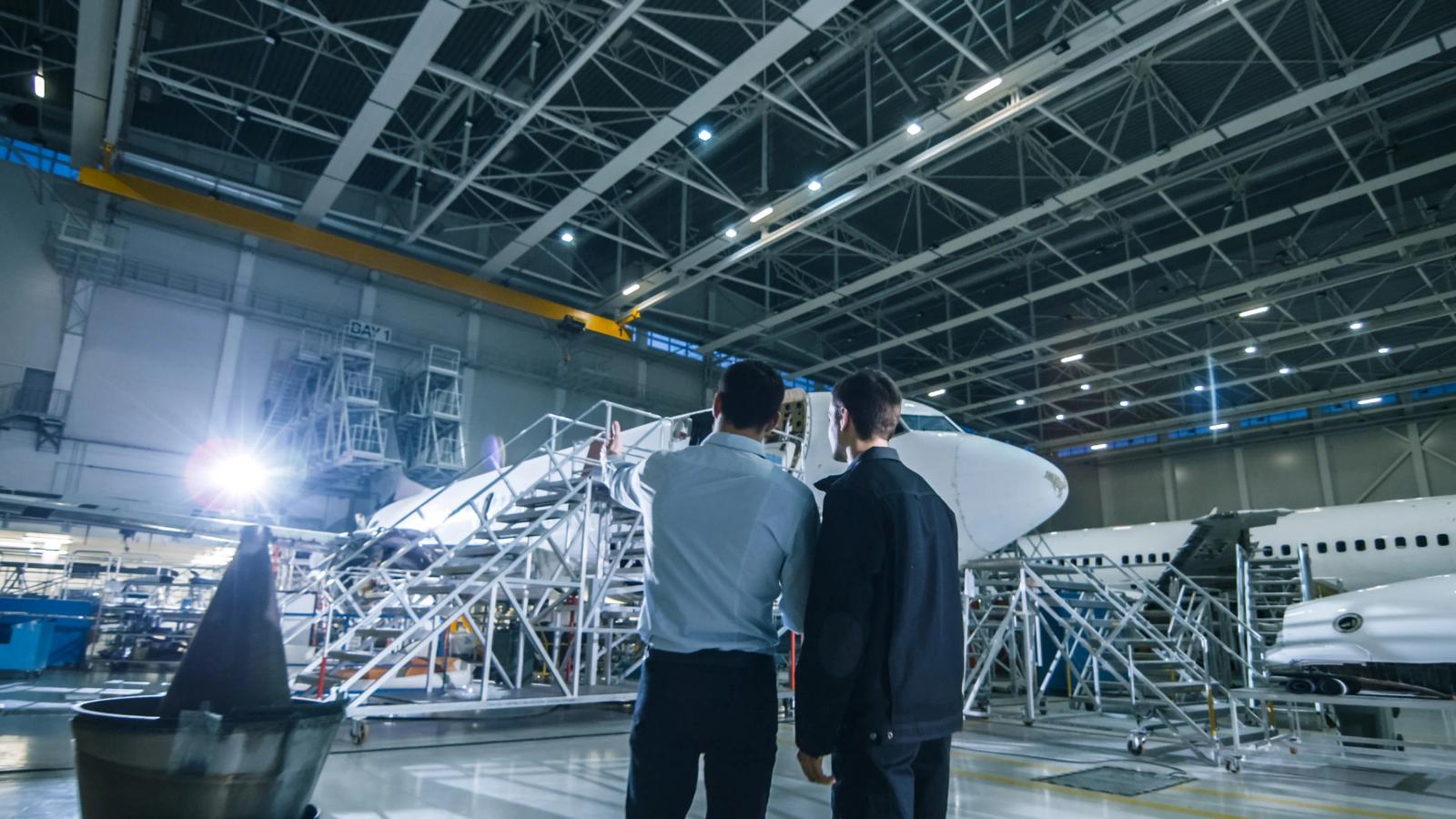
Run your multilingual aircraft, defense, and mission documentation as tightly as the systems they describe. We act as a controlled extension of your architecture - standardized for technical precision and fully secured for sensitive program data.

Aerospace and defense teams operate under strict technical standards and security controls. We treat multilingual content as a mission-critical dependency, integrating directly into your established engineering and documentation frameworks.
Your team maintains full control over your specifications, security classifications, and existing software tools. Our model provides a versatile production engine that aligns with your operational preference - functioning either as a standalone department delivering final assets or by integrating directly into your infrastructure to execute work within your own systems.
By aligning with your current infrastructure, we ensure that technical manuals and interfaces function as a unified, compliant system without the need for platform migrations.
If multilingual documentation, procedures, and mission content sit inside your risk model, this is the operating layer we can help you control.

Critical values and sequences can drift when translated for fluency rather than technical accuracy. This leads to manuals that deviate from the engineering baseline, increasing the risk of misconfiguration or unsafe maintenance.
Source content built on modular or controlled structures often loses its technical discipline during translation. Procedures regain ambiguity and data modules become generic, complicating audits and long-term document control.
Sensitive technical data often bypasses secure systems through unmanaged channels. Without a governed workflow, content flows through tools and vendors that may not mirror your specific classification or security models.
Component and functional naming often varies between manuals, interfaces, and training materials. These linguistic inconsistencies force teams to verify terminology manually before operational work can even begin.
Multilingual updates often trail engineering milestones by several cycles. This gap results in field teams and operators working from outdated documentation that no longer matches the current equipment configuration.
Our job is to turn this from a loose series of jobs into a governed production system with clear ownership, risk tiers, and measurable outputs.
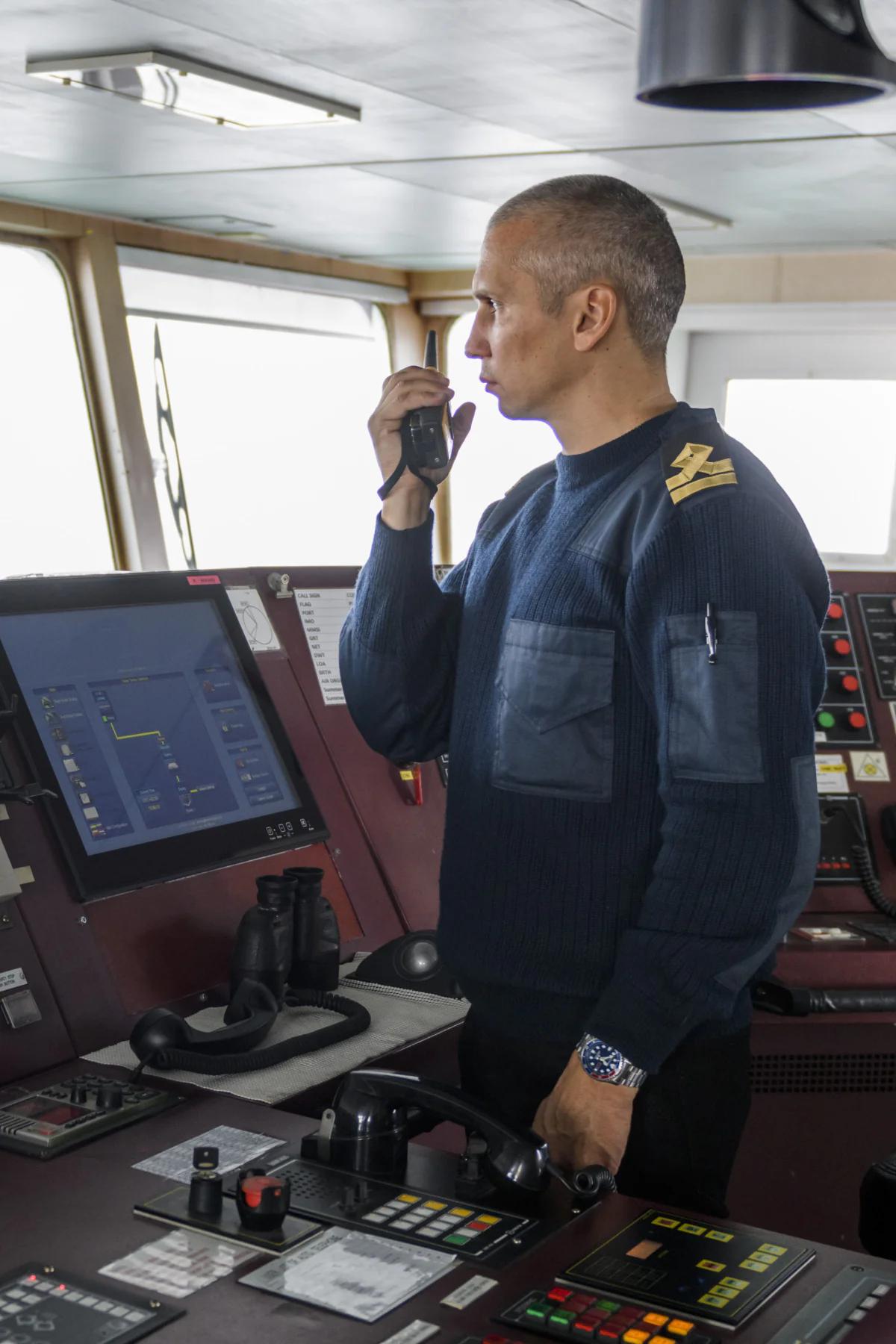
We don't ask you to adopt our workflow. We run yours with the efficiency and scale of a factory, using a combination of specialized workflows and your own system logic.
(if applicable)
Technicians and crews receive procedures that precisely match the engineering baseline, significantly decreasing misinterpretations and field workarounds.
Localized certification and safety packages remain fully aligned with the approved master models, providing a clear audit trail for every language version.
Consistent naming of components and system states across manuals, interfaces, and training materials eliminates linguistic confusion for support teams and partners.
Multilingual documentation and software interfaces stay aligned with configuration baselines and service bulletins, ensuring global readiness matches your delivery timelines.
Defined workflows provide full visibility into how controlled data is handled, detailing specific tools, access protocols, and classification tiers to satisfy internal security audits.
Documented roles, checks, and QA steps suitable for vendor governance, audits, and tenders.
Experience with content where wording carries safety, legal, and mission weight - not just brand tone.
Dedicated production lines for Japanese, Korean, Chinese, Vietnamese, Thai, and wider Asian clusters, extended under the same governance when more languages are needed.
You remain the architect of your platforms, documentation, and standards. We become the operator of your multilingual production layer for Asian markets.

ProZ Certified PRO Network
Recognizes 1-StopAsia as a verified and reliable professional provider.

ISO 9001 – Quality Management System
Confirms that our workflows follow consistent, high-quality management standards.

ISO 17100 – Translation Services
Ensures our translation processes meet international professional requirements.

ISO 18587 – Post-Editing of Machine Translation
Certifies that our MT post-editing is performed to standardized quality levels.

ISO/IEC 27001 – Information Security Management
Verifies strong data protection and information-security controls.
ProZ Certified PRO Network
Recognizes 1-StopAsia as a verified and reliable professional provider.
ISO 9001 – Quality Management System
Confirms that our workflows follow consistent, high-quality management standards.
ISO 17100 – Translation Services
Ensures our translation processes meet international professional requirements.
ISO 18587 – Post-Editing of Machine Translation
Certifies that our MT post-editing is performed to standardized quality levels.
ISO/IEC 27001 – Information Security Management
Verifies strong data protection and information-security controls.
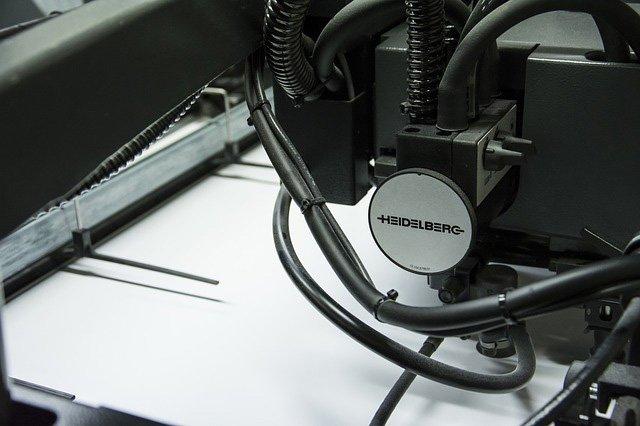
Professional translation services are essential for the industrial machinery sector in an increasingly globalized economy. Accurate translations are critical for ensuring technical accuracy, maintaining health and safety standards, and minimizing risks across manufacturing operations that span multiple countries and languages.
Explore insights →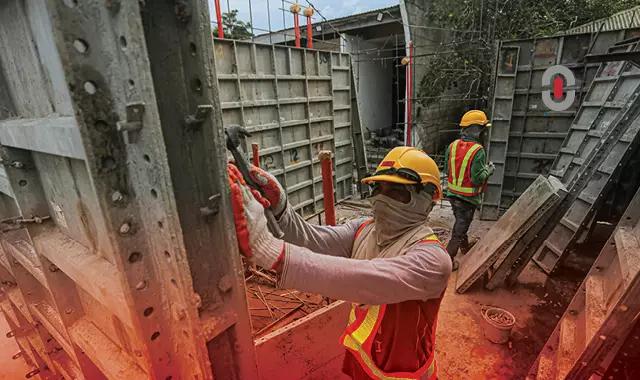
Professional translation services are vital for international construction projects, enabling clear communication among multinational teams and ensuring accurate understanding of safety protocols and technical specifications. Precise translation of documents, software localization, and multilingual safety signage help prevent costly errors while protecting workers on global construction sites.
Explore insights →
Japan’s steel industry exports to over 130 countries across diverse sectors like automotive and construction, making professional Japanese translation essential for global trade. The article explores industry challenges including the sophistication and diversification of user needs, and addresses linguistic complexities such as grammar structure, honorifics, and multiple writing scripts.
Explore insights →
Precise documentation across every language is essential for safety, compliance, and mission readiness. Ensuring your Asian-language content mirrors the accuracy of your original engineering standards provides global teams with a reliable view of equipment and procedures.
If you are ready to manage your multilingual layer with the same discipline as your core programs, we can run a production model that integrates seamlessly with the tools and standards you already trust.