ISO 9001, 27001, 18587 and 17100 workflows
documented roles, checks, and QA steps aligned with your vendor management, audit, and tender expectations.
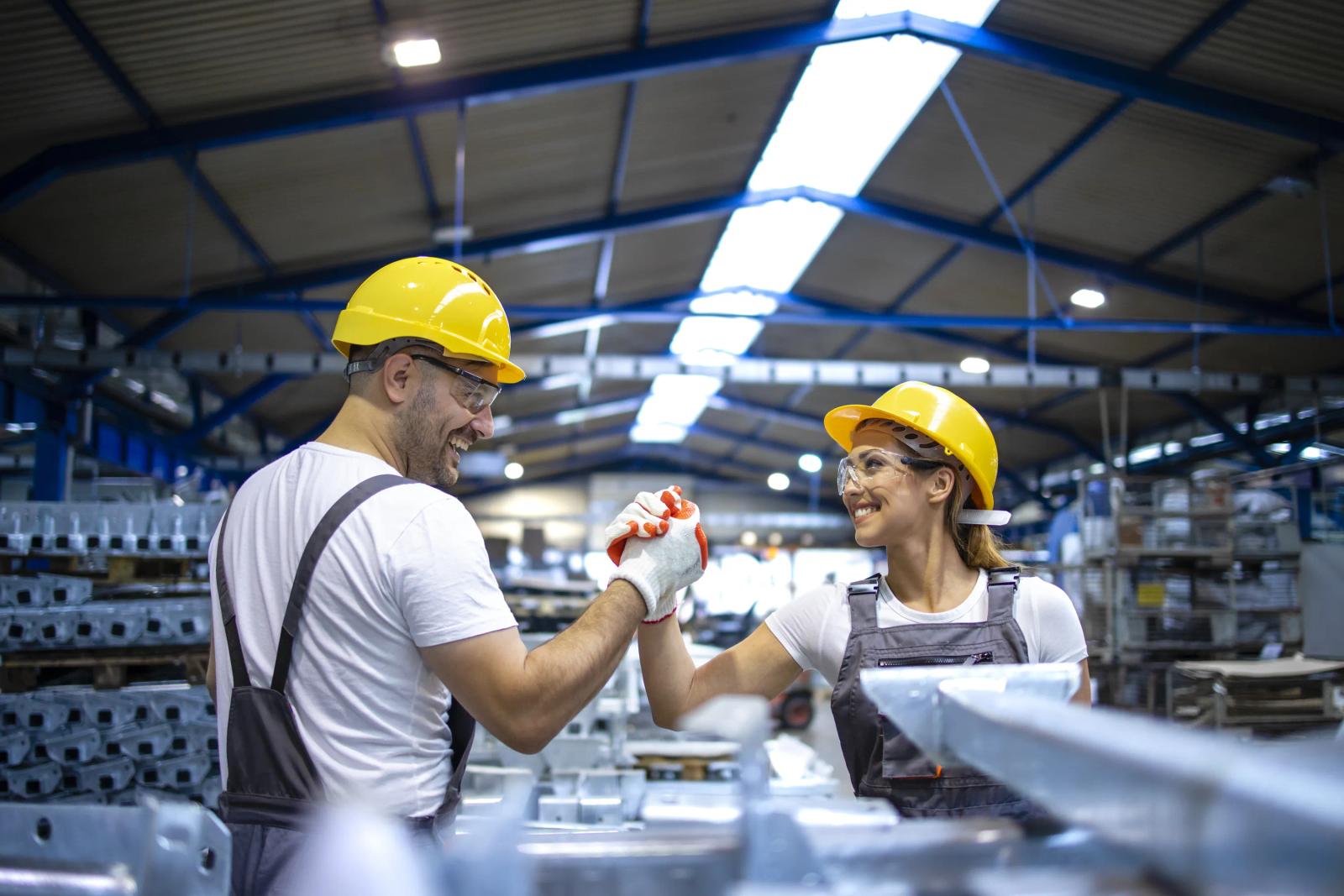
We turn fragmented translations into a unified safety system. Whether it’s an SDS update or a site-specific SOP, your safety documentation stays precise and compliant in every language you operate in.
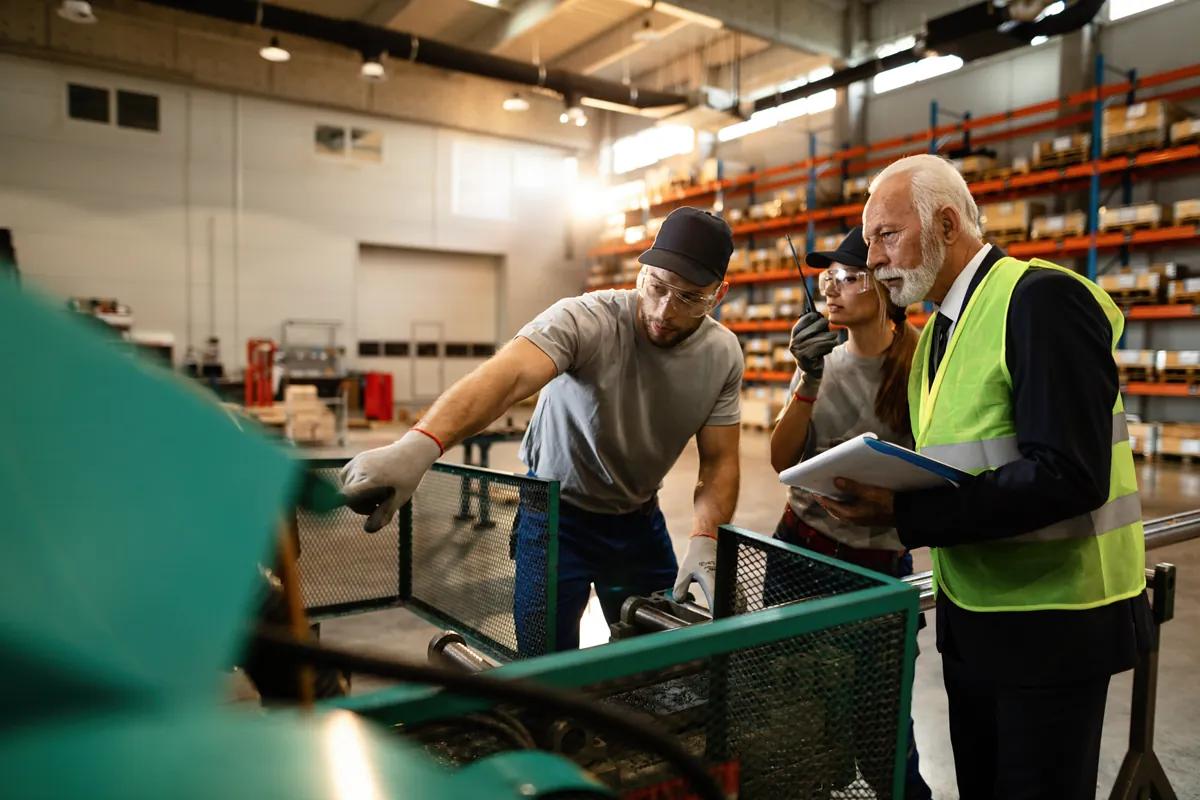
While chemical and process teams rely on rigorous hazard classifications and change control, language is often managed as a separate, disconnected task. We reverse this by treating multilingual content as an integral part of your existing safety and regulatory infrastructure.
Your team retains full control over classification models, SDS authoring tools, and internal approval chains. We offer the flexibility to dock into your operations however it suits you best. We can manage a fully outsourced cycle to deliver final products or embed our teams directly into your existing environment to execute production.
By aligning with your current architecture, we ensure that labels, environmental reports, and safety procedures function as a unified, compliant system without the need for platform migrations or new methodologies.
If hazard communication, environmental compliance, and worker safety are part of your risk model, this is the multilingual layer we can help you control.

SDS and labels are translated like generic documents, so hazard categories and precautionary combinations get paraphrased instead of preserved. Over time, SDS and labels drift apart and regulators start questioning which version is “true”.
Chemical names, mixture components, and hazard phrases evolve document by document. The same product looks different across SDS, labels, TDS, and logistics paperwork - complicating audits, customs, and incident investigations.
One SDS template is translated for many markets without respecting how GHS, CLP, OSHA HCS, or WHMIS are implemented locally. Local teams end up rewriting language on their own, or you spend cycles defending documentation that never fully matched local expectations.
When regulations shift or formulations change, SDS and label updates spike across SKUs and languages. Without a production model, updates are slow, tracking is manual, and out-of-date documentation continues circulating in plants and warehouses.
Legal text may be correct, but training content, SOPs, and signage often remain too abstract or formal. Operators fall back on unwritten rules and workarounds, and the documentation layer that should prevent incidents fails in practice.

We don't ask you to adopt our workflow. We run yours with the efficiency and scale of a factory, using a combination of specialized workflows and your own system logic.
(if applicable)
Hazard logic and phrasing remain synchronized across all languages, ensuring seamless regulatory reviews and preventing costly relabeling or document rework.
IUPAC and CAS-based naming remains stable across every asset - from SDS to training manuals. This consistency ensures a coherent product profile for customs, audits, and internal investigations.
Multilingual teams receive clear, actionable instructions tailored to real-world plant conditions, reducing the risk of misuse, near misses, or safety "workarounds."
ISO-aligned processes and detailed change logs provide a transparent audit trail. You can demonstrate exactly how every version was produced, reviewed, and approved to meet any regulatory inquiry.
SDS and label revisions are managed through high-volume processes, ensuring outdated documentation is quickly and accurately replaced across your global network.
documented roles, checks, and QA steps aligned with your vendor management, audit, and tender expectations.
long-term work with content where wording carries operational, legal, and environmental weight.
Japanese, Korean, Chinese, Vietnamese, Thai, and wider Asian clusters run as dedicated production lines, with other languages integrated under the same governance when needed.
You remain the architect of your chemical safety model, documentation, and standards. We become the operator of the multilingual production layer that keeps them usable and consistent across languages.

ProZ Certified PRO Network
Recognizes 1-StopAsia as a verified and reliable professional provider.

ISO 9001 – Quality Management System
Confirms that our workflows follow consistent, high-quality management standards.

ISO 17100 – Translation Services
Ensures our translation processes meet international professional requirements.

ISO 18587 – Post-Editing of Machine Translation
Certifies that our MT post-editing is performed to standardized quality levels.

ISO/IEC 27001 – Information Security Management
Verifies strong data protection and information-security controls.
ProZ Certified PRO Network
Recognizes 1-StopAsia as a verified and reliable professional provider.
ISO 9001 – Quality Management System
Confirms that our workflows follow consistent, high-quality management standards.
ISO 17100 – Translation Services
Ensures our translation processes meet international professional requirements.
ISO 18587 – Post-Editing of Machine Translation
Certifies that our MT post-editing is performed to standardized quality levels.
ISO/IEC 27001 – Information Security Management
Verifies strong data protection and information-security controls.
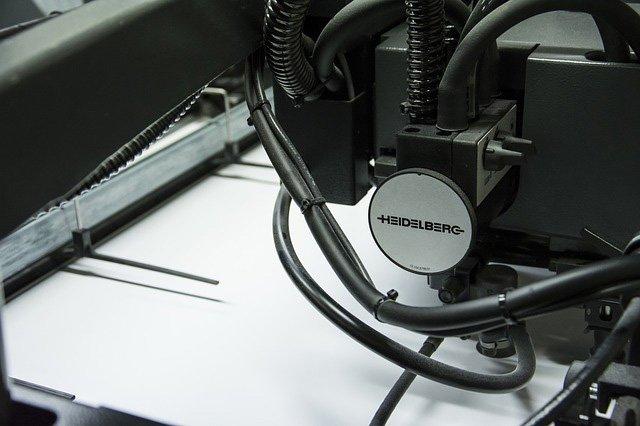
Professional translation services are essential for the industrial machinery sector in an increasingly globalized economy. Accurate translations are critical for ensuring technical accuracy, maintaining health and safety standards, and minimizing risks across manufacturing operations that span multiple countries and languages.
Explore insights →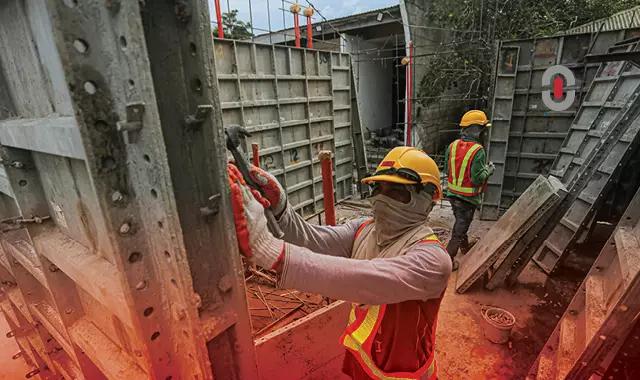
Professional translation services are vital for international construction projects, enabling clear communication among multinational teams and ensuring accurate understanding of safety protocols and technical specifications. Precise translation of documents, software localization, and multilingual safety signage help prevent costly errors while protecting workers on global construction sites.
Explore insights →
Japan’s steel industry exports to over 130 countries across diverse sectors like automotive and construction, making professional Japanese translation essential for global trade. The article explores industry challenges including the sophistication and diversification of user needs, and addresses linguistic complexities such as grammar structure, honorifics, and multiple writing scripts.
Explore insights →
Precise, up-to-date safety documentation protects your workers, the environment, and your license to operate. By managing multilingual content with the same discipline as your process safety systems, you ensure every label and SDS remains a reliable asset across your global footprint.
If you are ready to move from ad-hoc translations to a governed production model, we can help you build a system that aligns with the tools and standards you already trust.