ISO-aligned workflows
ISO 9001, 27001, 18587 and 17100 frameworks with documented roles, checks, and escalation suitable for vendor management, audits, and tenders.

When a network spans multiple countries and regulators, the language in manuals, OSS/BSS, and safety notices becomes essential infrastructure.
1-StopAsia manages the multilingual layer for Asian and global markets to ensure every version operates as a unified network rather than a series of inconsistent interpretations.

Telecom and network infrastructure teams utilize architectures and strict change windows to maintain system integrity. While translation is often treated as a detached dependency, our approach integrates it directly into your existing network model.
You maintain full authority over documentation structures, MT engines, and approval paths. We operate the multilingual production to manage Asian languages and global languages according to your specific requirements.
Our flexibility can work in your favor, so it is up to you which setup is most convenient:
Built for teams where one mistranslated parameter, warning, or procedure can create real-world impact:
If spec precision, safety language, and regulatory wording are part of your risk model, this is the multilingual operating layer we can help you control.

Even experienced telecom teams see the same failure patterns:
Translation drift in parameters and step sequences often causes localized MOPs to deviate from the original. This misalignment leads to misconfigured sites, unnecessary truck rolls, and extended outages.
Smoothing or rephrasing technical licensing and safety descriptions results in non-compliant documentation. These inaccuracies trigger regulatory pushback and stall launches, turning documentation into a project bottleneck.
Inconsistent naming across manuals, OSS/BSS, and support portals forces teams to reinvent local vocabularies. NOCs and field crews lose critical time reconciling conflicting terms before they can resolve technical issues.
Standard localization workflows often fail to match the speed of rollout plans and change windows. When documentation and interfaces fall behind the current release, teams are forced to rely on outdated information that no longer reflects reality.
Our job is to turn this from a loose series of jobs into a structured production system with clear ownership, throughput, and quality gates.
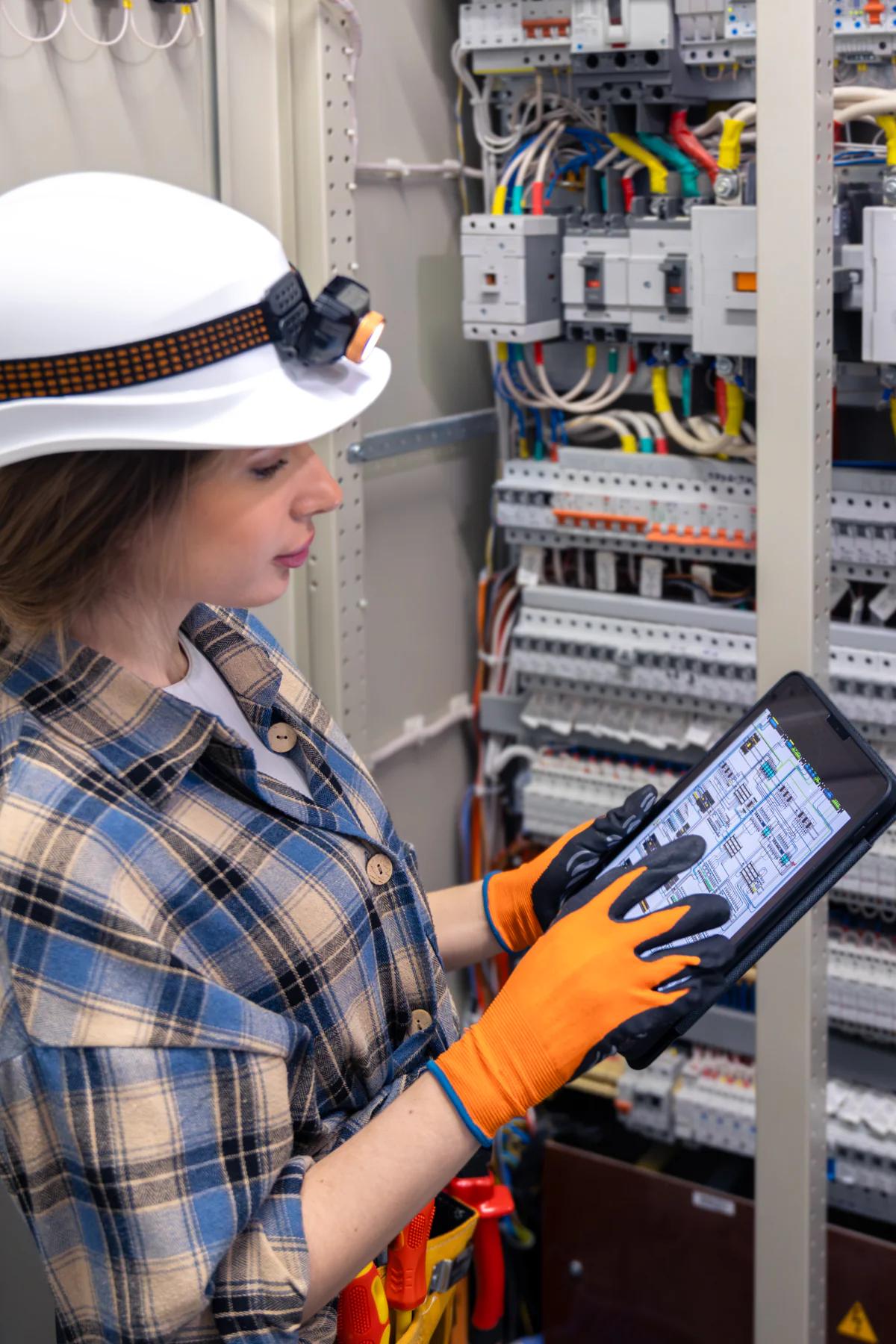
We keep the model simple to explain and measurable across rollouts.
Mapping network domains and documentation sets allows for content classification by risk level - safety-critical, regulatory, or informational. This classification dictates the specific workflow and depth of QA required for each asset.
We set up or ingest termbases for product entities, role names, permissions, error language, and security concepts.
Alignment on tools and workflows establishes clear ownership and quality standards. While you maintain control of the software stack and rules, the production factory is configured to operate directly against those specifications.
Executing a targeted pilot, such as a single deployment guide or OSS module, allows for cross-departmental review. Engineering and compliance teams calibrate terminology and style in a controlled environment before full-scale implementation.
Validated models are extended to additional product lines and markets in synchronization with your release trains. Tracking on-time delivery and quality metrics ensures the localization system remains predictable and scalable as your network grows.
When your multilingual telecom content runs like part of the infrastructure, several things get easier.
Field engineers receive clear instructions aligned with live configurations, reducing misconfigurations and failed acceptances. Consistent, localized safety procedures ensure better compliance and fewer repeat site visits under operational pressure.
Licensing and safety documentation meet local regulatory expectations, accelerating approval timelines. This controlled localization process provides a clear audit trail, reducing inquiries from national authorities and avoiding launch bottlenecks.
Unified terminology for alarms and procedures ensures NOCs and deployment partners remain synchronized. Standardizing vocabulary across languages simplifies incident response and coordinates planned work more effectively across global time zones.
Troubleshooting flows and scripts reflect the network’s actual behavior and technical documentation. By using consistent terminology, agents and customers resolve issues faster at the first point of contact, significantly lowering ticket volumes.
New markets and technologies integrate seamlessly into the existing multilingual model. Rather than rebuilding processes for each rollout, you extend a proven system with established throughput, quality standards, and governance.
Telecom and infrastructure organizations need more than promises about “quality”.

ISO 9001, 27001, 18587 and 17100 frameworks with documented roles, checks, and escalation suitable for vendor management, audits, and tenders.
experience with content where wording carries operational, safety, and legal weight, not just brand tone.
Japanese, Korean, Chinese, Vietnamese, Thai and wider regional clusters operated as dedicated production lines, with additional languages run under the same governance when needed.
on-time delivery, QA scores, and terminology adherence tracked and available as part of your governance and performance reviews.
You remain the architect of your network, documentation, and standards. We become the operator of the multilingual production layer that keeps them usable and consistent across languages.

ProZ Certified PRO Network
Recognizes 1-StopAsia as a verified and reliable professional provider.

ISO 9001 – Quality Management System
Confirms that our workflows follow consistent, high-quality management standards.

ISO 17100 – Translation Services
Ensures our translation processes meet international professional requirements.

ISO 18587 – Post-Editing of Machine Translation
Certifies that our MT post-editing is performed to standardized quality levels.

ISO/IEC 27001 – Information Security Management
Verifies strong data protection and information-security controls.
ProZ Certified PRO Network
Recognizes 1-StopAsia as a verified and reliable professional provider.
ISO 9001 – Quality Management System
Confirms that our workflows follow consistent, high-quality management standards.
ISO 17100 – Translation Services
Ensures our translation processes meet international professional requirements.
ISO 18587 – Post-Editing of Machine Translation
Certifies that our MT post-editing is performed to standardized quality levels.
ISO/IEC 27001 – Information Security Management
Verifies strong data protection and information-security controls.
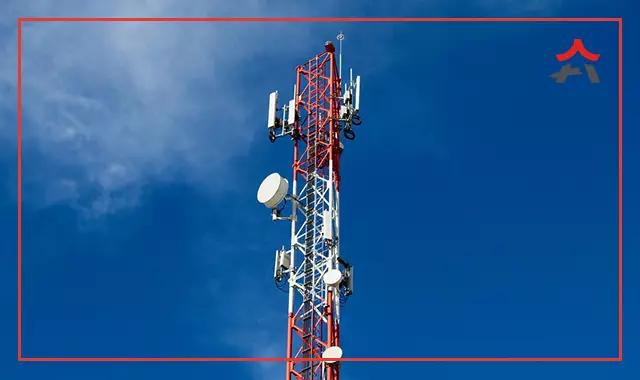
Telecommunications localization should be treated as an engineering discipline rather than a secondary task. Inaccurate translations directly impact operational outcomes including OSS/BSS logic, NOC procedures, and regulatory compliance, making language a critical technical variable in network stability and safety across multilingual regions, particularly in Asia.
Explore insights →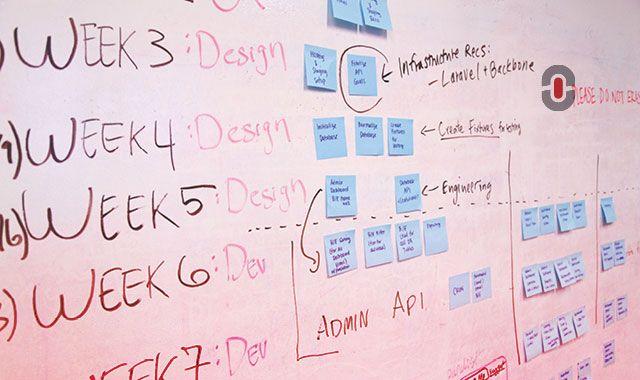
Agile localization enables continuous translation of code segments rather than waiting until project completion. This approach proves especially valuable for companies entering the Chinese market, as it allows for faster implementation, cost efficiency, and better accommodation of cultural and linguistic considerations specific to Chinese consumers.
Explore insights →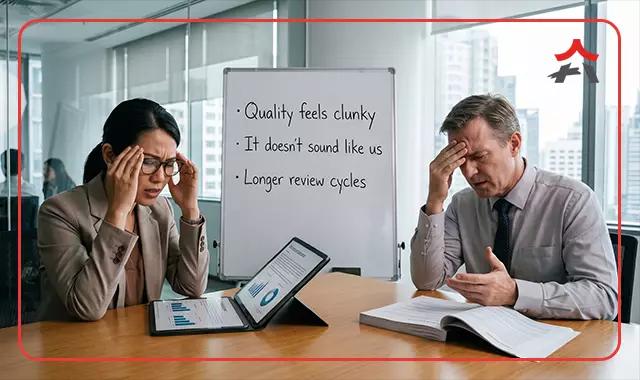
Language Service Providers face expensive consequences when they defer terminology governance to later project stages. Investing two weeks upfront to establish clear terminology ownership, build a validated glossary, and implement version control prevents years of costly rework, client dissatisfaction, and relationship erosion that accumulates across multiple projects.
Explore insights →
When field engineers, regulators, and customers act on your documentation, precision is essential. Clear, localized content protects deployment quality, safety, and compliance while ensuring a trustworthy network experience in every region.
If you want your multilingual layer to operate with the same discipline as the rest of your infrastructure, we can help you design and run a concrete production model around the systems you already use.